


Stop Skipping Flexibility (Seriously)

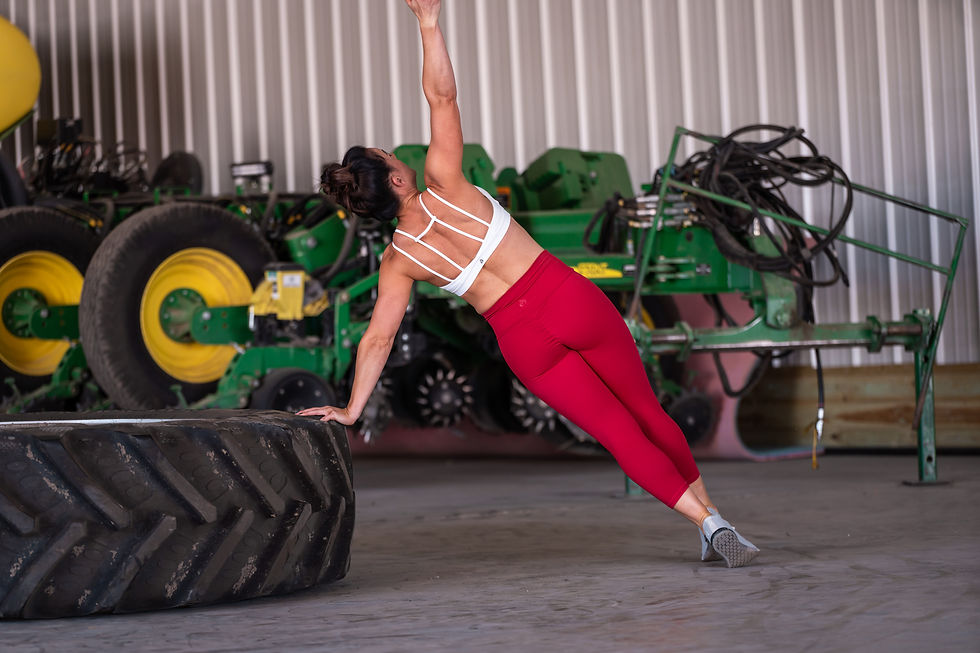
Flexibility is often the first thing skipped and the first thing that shows up later as pain, stiffness, or recurring injury. Building strength and conditioning without addressing flexibility leaves gaps that eventually catch up.
Flexibility refers to how well your joints move through their available range without restriction. That range is influenced by the muscles around the joint. When muscles are rarely taken through full movement, they adapt by shortening. Over time, joints lose freedom, movement feels harder, and certain areas take on more stress than they should.
Keeping muscles mobile supports how the body moves as a whole.
4 reasons why you shouldn't skip flexibility:
It reduces injury risk injury risk. Tight muscles do not handle sudden demands well. When a joint is forced into a range it has not visited in a while, strain becomes more likely. This shows up often after long periods of sitting followed by unexpected activity.
It allows for better movement quality. Joints rely on multiple muscles working together. When some muscles are tight and others are under-active, movement becomes inefficient. Keeping muscles mobile allows joints to move more freely and smoothly.
It promotes stronger performance. Strength depends on range of motion. If a muscle cannot move fully, it cannot produce or control force well. Maintaining flexibility allows strength work to be more effective.
It improves posture. Posture reflects how muscles adapt to daily positions. Long hours sitting or driving encourage certain muscles to shorten while others weaken. Regular stretching helps restore balance and alignment.
So what is the best way to work on flexibility?
Static stretching. This involves holding a stretch at a comfortable end range for a short period. It works best after training or later in the day when muscles are warm.
Dynamic movement. This uses controlled motion through a range of movement. It fits well before workouts as part of a warm up and prepares joints for activity.
Myofascial work. This includes foam rolling or using a ball to apply gentle pressure to tight areas. It supports blood flow and helps release areas that feel restricted. This can be done before or after training.
But...
Stretching should never feel forced. Move slowly into positions and stop at the first sign of resistance. Avoid bouncing or jerky movement. Progress happens through consistency, not pushing past limits.
Flexibility supports how you train, how you recover, and how you move day to day. It does not require long sessions. Small, regular efforts go a long way.
FarmFit programs include warm ups and cool downs that address flexibility without adding extra time. If you are not a member yet and want training that covers strength, cardio, and mobility in short sessions, you can explore and compare FarmFit memberships to see what fits your routine.
Comments